How PRP Therapy is Changing Hair Restoration Treatments
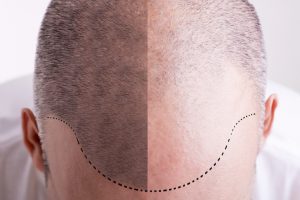
In recent years, platelet-rich plasma (PRP) therapy has gained significant attention in the world of hair restoration. Once a treatment primarily used in sports medicine and injury recovery, PRP is now revolutionizing the way we approach hair loss and thinning. But how exactly is this innovative therapy changing hair restoration treatments, and why is it becoming so popular? Let’s take a closer look.
What is PRP Therapy?
PRP therapy is a medical treatment that uses the patient’s own blood to stimulate healing and regeneration in various areas of the body. In hair restoration, PRP involves extracting a small sample of your blood, processing it to concentrate the platelets, and then injecting it into the scalp to promote hair growth.
The idea is that the platelets in the blood contain growth factors that encourage tissue repair and regeneration. When applied to the scalp, these growth factors are believed to rejuvenate hair follicles, leading to thicker, fuller hair.
A Non-Surgical Approach to Hair Restoration
One of the biggest advantages of PRP therapy is that it provides a non-invasive, non-surgical option for hair restoration. Unlike hair transplants, which require a surgical procedure, PRP therapy is relatively quick, with minimal downtime. Patients typically undergo a series of injections in a relatively short appointment, and they can resume their normal activities almost immediately afterward.
This non-surgical approach appeals to many individuals who are hesitant about more invasive treatments or surgeries. It also offers a more affordable option for those seeking hair restoration, as it doesn’t involve the high costs associated with traditional hair transplants.
How Does PRP Therapy Work for Hair Loss?
PRP therapy works by leveraging the natural healing properties of your body. Here’s how the process generally works:
- Blood Draw: A small amount of blood is drawn from the patient’s arm, just like a regular blood test.
- Centrifugation: The blood sample is placed in a centrifuge, which spins at high speeds to separate the components. This process isolates the platelet-rich plasma (PRP) from the red blood cells, white blood cells, and plasma.
- Injection into Scalp: The concentrated PRP is then injected into specific areas of the scalp where hair thinning or loss is occurring. The growth factors in the PRP stimulate the hair follicles, encouraging new hair growth.
- Recovery: The recovery process is minimal. Some patients may experience slight swelling or redness at the injection sites, but these symptoms typically resolve within a few hours or days.
Most individuals require multiple sessions, typically spaced 4–6 weeks apart, to achieve optimal results. As the treatments progress, patients often notice gradual improvement in hair thickness and overall volume.
Why is PRP Therapy Gaining Popularity?
There are several reasons why PRP therapy is becoming a go-to option for many individuals struggling with hair loss:
- Minimally Invasive: Unlike traditional hair transplant surgeries, which can require significant recovery time and carry potential risks, PRP therapy is minimally invasive and doesn’t require cutting or stitching.
- Natural Treatment: Because PRP uses the patient’s own blood, there is a lower risk of allergic reactions or side effects compared to treatments that use synthetic substances. It’s a natural approach that taps into the body’s own healing abilities.
- Effectiveness: Studies and anecdotal evidence suggest that PRP therapy can be quite effective in stimulating hair growth and improving hair density, especially for individuals with androgenetic alopecia (the most common form of hair loss). It can also be beneficial for people who have experienced hair thinning due to stress, hormonal imbalances, or aging.
- Minimal Downtime: With little to no recovery time required, PRP therapy allows patients to go about their daily lives without much interruption. This convenience has made it an appealing choice for busy individuals looking for a low-maintenance treatment option.
- Safe and Long-Lasting Results: PRP therapy has shown promising long-term results, with many patients enjoying sustained hair growth for months or even years after treatment. While not a permanent cure for hair loss, the results can be highly satisfying and last for an extended period.
Who is a Good Candidate for PRP Therapy?
PRP therapy can benefit a wide range of individuals, but it’s most effective for those in the early stages of hair loss. Ideal candidates include:
- Individuals with mild to moderate hair thinning or shedding.
- People who are not candidates for hair transplant surgery due to health reasons or personal preference.
- Those looking for a natural, non-surgical approach to combat hair loss.
However, PRP therapy may not be suitable for everyone. For example, individuals with certain medical conditions like active cancer, blood disorders, or scalp infections may not be ideal candidates. Consulting with a qualified hair restoration specialist is essential to determine if PRP therapy is right for you.
The Future of Hair Restoration with PRP Therapy
As more research is conducted and the technology surrounding PRP therapy continues to improve, it’s likely that this treatment will become even more effective and accessible. New techniques, such as combining PRP with other treatments like microneedling, are already showing promising results, and we may see further innovations in how PRP is administered for optimal hair restoration.
Additionally, as PRP therapy gains popularity, it is likely that it will become a more affordable option for those seeking hair restoration. As the technique becomes more widespread, it may eventually become a mainstream solution for individuals experiencing hair loss.
Conclusion
PRP therapy is undoubtedly changing the landscape of hair restoration. By offering a minimally invasive, effective, and natural treatment option, PRP is providing a viable solution for those dealing with hair thinning and hair loss. Whether used as a standalone treatment or in conjunction with other therapies, PRP represents a new era of hair restoration that puts the power of healing directly into the patient’s hands.
If you’re considering PRP therapy for hair restoration, be sure to consult with a qualified professional who can assess your individual needs and guide you through the process. With the right treatment plan, PRP therapy could be the key to revitalizing your hair and boosting your confidence.